
Hero Story - Blog
Blog
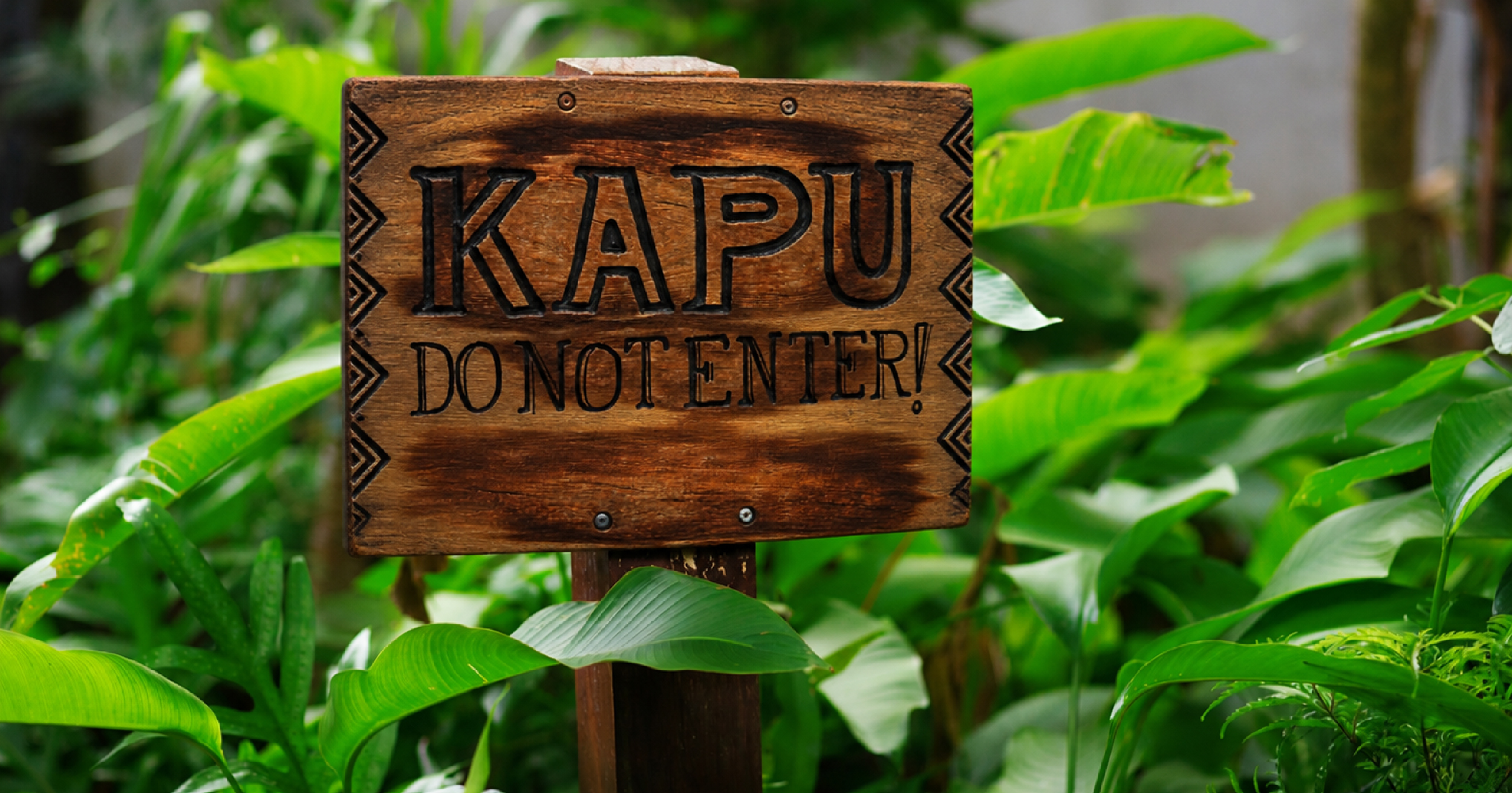
What the Map Doesn’t Know
Nearly every week, someone hands me a phone with an itinerary on it and asks what I think.
...
Read More
What the Map Doesn’t Know
Nearly every week, someone hands me a phone with an itinerary on it and asks what I think.
It’s a good-looking document. Sometimes it came out of ChatGPT in nine seconds. Sometimes, it’s a stack of saved TikToks and Instagram reels stitched into a plan. Either way it’s clean, confident, and seems plausible and it usually has them watching sunrise at Haleakalā and driving the road to Hāna on the same day. It sends them to a beach that sits behind a locked gate on private land. It names a restaurant that closed two years ago. And it almost always includes the stretch of sand that looks deserted in the video because the people who live on that road are quietly exhausted by the traffic on it.
That 90-second conversation is the whole argument for local insight.
We tend to think of local knowledge as a list of secrets, the restaurant without a sign, the lookout past the guardrail. In my experience, it’s almost the opposite. Local knowledge is mostly timing, access, and meaning—none of which live in a search result, or in a model trained on one.
Timing: Hāna is a four-hour drive that people try to do in 90 minutes, and the difference between a transcendent day and a miserable one is often just leaving before six. Haleakalā sunrise and Waiʻanapanapa both require reservations. Hanauma Bay closes two days a week. Most of the frustration I hear isn’t about the wrong destination—it’s about arriving at the right one at the wrong hour, in the wrong season, without the permit.
Access: a road that’s open in July may be impassable in February. A trail on the windward side after three days of rain is a different trail entirely. Weather here is measured in miles, not regions; it can be pouring in Mānoa and bone-dry in Waikīkī, and no forecast app will tell you which one you’re standing in.
Meaning: the part that matters most and is discussed least. A heiau is not a photo backdrop. A fishpond is not scenery; it’s infrastructure that fed a community and in places is being restored to feed one again. Knowing what a place is changes how you move through it. That knowledge doesn’t come from a guidebook, and it doesn’t come from a feed optimized to hold your attention for 11 seconds. It comes from someone whose family has been there.
I’ve spent years building organized travel across the Americas, and the pattern holds everywhere. In Peru, in Mexico, in Alaska, the best days were rarely the ones I drew up at a desk. They were the ones designed with a local partner and corrected before we ever left—the site a 40-person group can’t physically enter, the cultural place where a busload of visitors wouldn’t be welcome, the week a festival closes the plaza, the afternoon light that argues for flipping the day.
I have nothing against the tools. A generated itinerary is a perfectly good first draft. The mistake is treating the draft as final, handing over a week of your life to a system that has never once stood on the road it’s sending you down.
So, my advice to travelers headed to Hawaiʻi is simple—and it isn’t “hire a guide,” though I obviously believe in that work. It’s this: change the question. Stop asking: What’s the hidden gem? Start asking: What should I know before I go there?
The first question makes you a tourist. The second one makes you a guest.
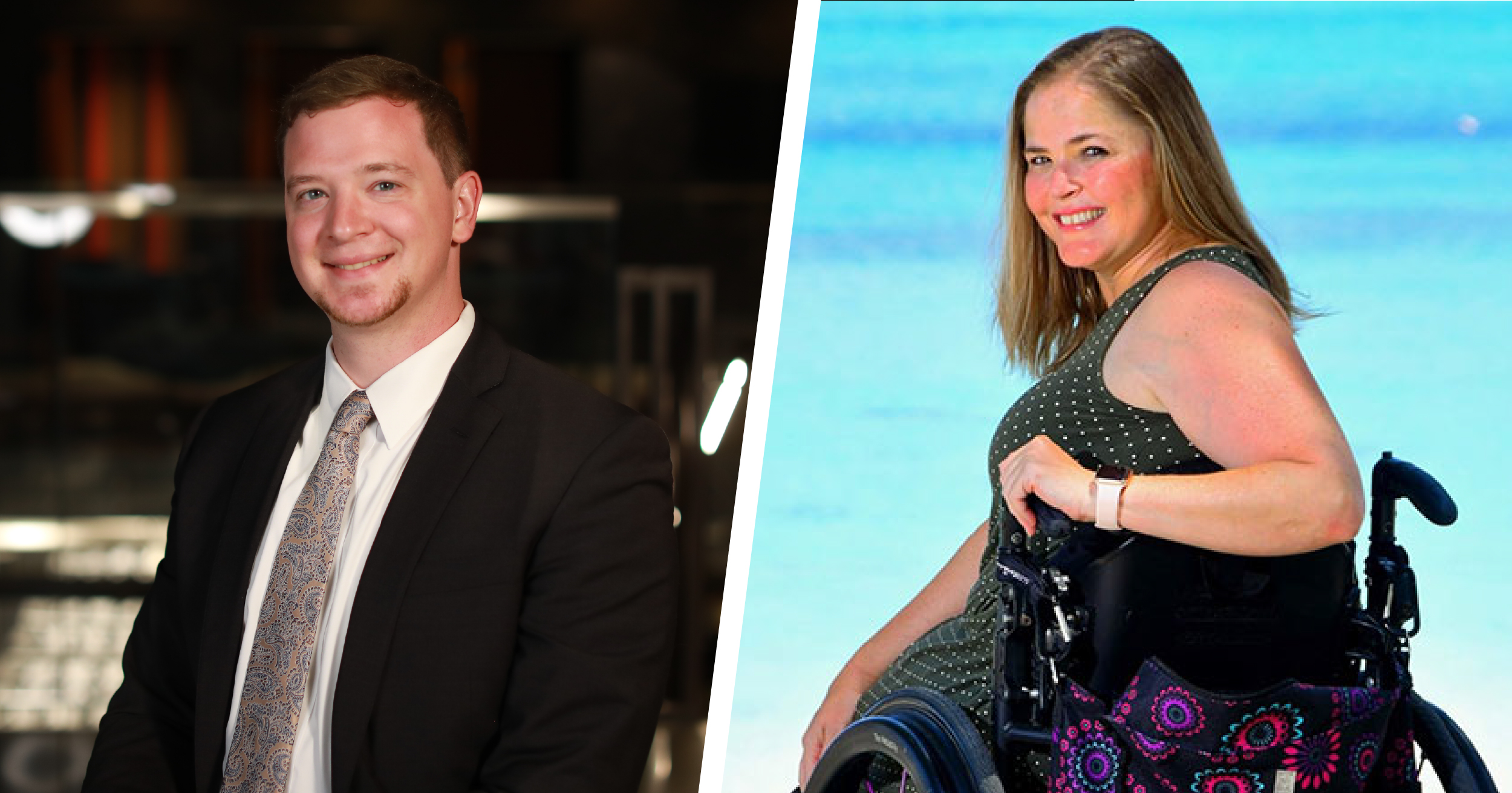
Written by Kelly Camps, Vice President of Sales & Marketing, Polynesian Adventure Tours. A Hawaiʻi resident, she has spent more than two decades designing organized travel programs across the Americas.
Courtesy of Polynesian Adventure Tours.
Photo courtesy of encrier & Merrilee Holmes.
© 2026 Groups Today - All Rights Reserved. Read our Terms and Conditions