
Hero Story - News
News
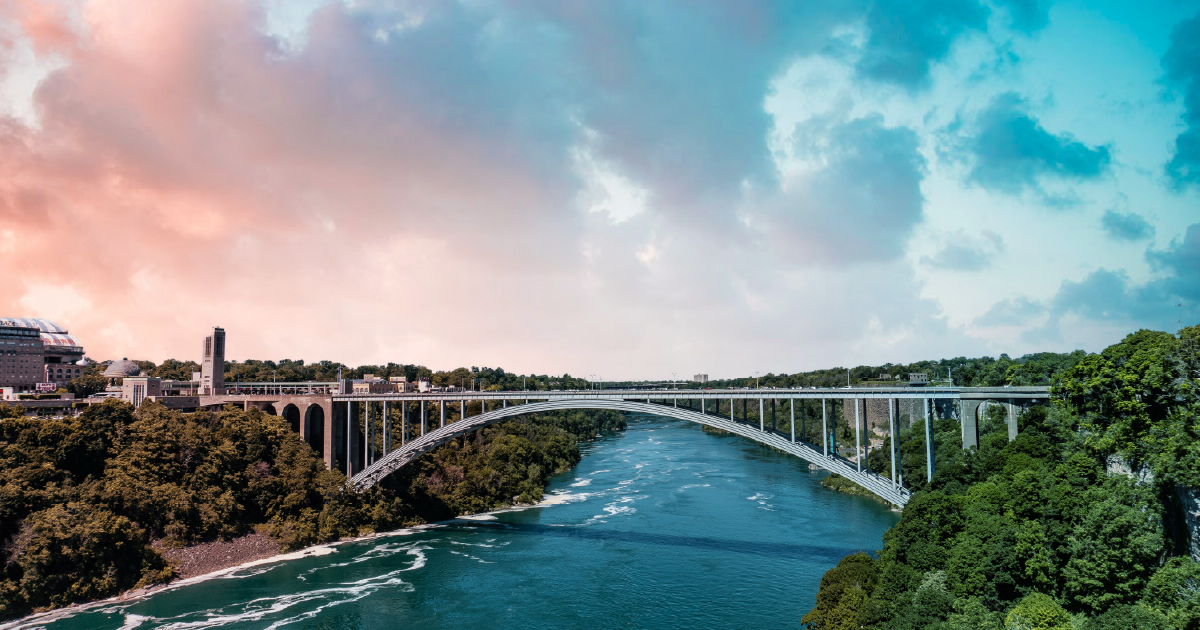
Borders Should Be Bridges: Clarity Is the Currency North American Travel Needs Now
Border disruption, shifting rules, and rising costs are eroding traveler confidence. Rebuilding it will take transparency, consistency, and a genuine welcome.
...
Read More
Borders Should Be Bridges: Clarity Is the Currency North American Travel Needs Now
Border disruption, shifting rules, and rising costs are eroding traveler confidence. Rebuilding it will take transparency, consistency, and a genuine welcome.
When a school band cancels its trip across the border, it means more than a lost hotel booking. A generation loses the chance to foster relationships with its neighbors. At the Student & Youth Travel Association (SYTA), we believe student and youth travel is more than tourism: it is an investment in mutual understanding, lasting relationships, and the next generation of responsible travelers. That investment is at risk.
Our members see it daily.
In SYTA's June 2026 international research, one operator put it plainly: "We're probably about 30% down on U.S. travel compared to where we expected to be." Programs are being redirected, not cancelled. Schools and families now weigh cost, safety, geopolitics, and administrative requirements as heavily as educational value. When border rules shift, demand shifts with them.
The data agrees. Canadians made 2.8 million return trips from the United States in July 2026, up on last year but still 25.6% below July 2024. The U.S. Travel Association has called America "the only major country in the world losing visitation." Business travel is following leisure: in April, 38% of corporate travel buyers told the Global Business Travel Association they were less likely to host multinational meetings in the U.S., citing border processing concerns, security delays, and higher airfares.
Safety and security now sit at the center of every travel decision, from a parent signing a permission slip to a planner booking a convention. Travelers are asking: Will I be welcomed? Will my data be scrutinized? Will the price I was quoted 18 months ago still hold? Surprise national park surcharges proposed social-media disclosures for visa-waiver visitors, and tariffs that now reach into travelers' own luggage signal unpredictability. As coalition co-founder Shannon Stowell of the Adventure Travel Trade Association put it, "Right now the signals are so mixed that it can't help but make potential visitors decide to put off a trip to the U.S. until clarity and consistency are in place.”
History shows how long the road back can be. The World Travel & Tourism Council's analysis of 90 crises found political instability is the hardest to recover from, averaging 22 months and stretching to nearly four years, longer on average than terrorism, disease, or natural disasters. After 9/11, international arrivals to the U.S. took roughly six years to approach 2000 levels, and a 2006 industry poll found potential visitors feared U.S. border officials more than terrorism or crime.
Some destinations are getting it right.
Jay Peak Resort in Vermont told Canadians: "The border may feel different right now. We do not. You are our neighbors. You are our friends." Destination Canada acknowledges some Americans feel "more conscious about how they may be received," reinforcing the need to show "all guests are welcome and valued."
Our partners are leading, too.
At NTA's Travel Exchange in Ottawa, NTA President Catherine Prather said, "The loss of U.S. inbound travel from Canada has hurt a lot of businesses in both countries.”
At USTOA's annual conference, President and CEO Terry Dale noted that travelers, "want enriching experiences, but economic considerations and a sense of security are shaping their decisions."
At the IITA Summit in Niagara Falls, CEO Lisa Simon was candid: "It's not going to turn around immediately ... we have some work to do."
At ABA Marketplace in Reno, ABA President and CEO Fred Ferguson, who is taking Marketplace to Calgary in 2027, put it plainly: "If the industry values the U.S.–Canada travel relationship, this is the moment to show it. Marketplace in Calgary isn’t just another host city. It’s a statement that North American travel matters. When travel between the United States and Canada is strong, our entire industry benefits and both economies grow.”
SYTA is also bringing its annual conference to Ottawa in August 2027, which welcomes representatives from the global student and youth travel market to collaborate for a better student travel industry. It’s the only conference of its kind in North America and the largest gathering anywhere in the world.
While the midterms may have resulted in many changes, the Beyond Borders Tourism Coalition still asks leaders on both sides of the border to commit to five actions:
-
Pass the bipartisan USMCA Travel and Tourism Resiliency Act, giving tourism a formal seat in North American trade talks.
-
End surprise fees. Give operators clear timelines and real consultation so prices quoted 12 to 18 months out still hold.
-
Weigh student travel and cultural exchange in every border policy decision, and pause data-collection measures that add friction without demonstrable security benefit.
-
Speak with one welcoming voice: consistent, factual, binational messaging on value and safety, in place of tough talk.
-
Invest in recovery for gateway and Indigenous communities paying for policies they did not design.
Travelers do not need perfect conditions. They need honest ones. Clarity, consistency, and a genuine welcome are how North America rebuilds trust, one border crossing at a time.
Carylann Assante, CAE, is CEO of the Student & Youth Travel Association (SYTA) and Chair of the Beyond Borders Tourism Coalition, an alliance of North American tourism associations working to restore confidence in cross-border travel. Learn more at beyondborderstourismcoalition.com.


© 2026 Groups Today - All Rights Reserved. Read our Terms and Conditions