
Hero Story - Profiles
Profiles

2026 Newsmakers of the Year: Universal Epic Universe
The Groups Today “Newsmakers of the Year” initiative recognizes the individuals, organizations, associations, and companies that have recently made the biggest impact on the group travel industry. Fro...
Read More
Five Minutes With … Anna Abelson
Anna Abelson, Adjunct Instructor, NYU SPS Jonathan M. Tisch Center of Hospitality
Anna Abelson, co-researcher for the 2025 FTA Family Travel Survey (alongside the Family Travel Association), shared insight into this year's report.
Why are the findings shared in this year’s survey so important to understanding the family travel segment as a whole?
This 10th-anniversary study provides a deep dive into the behaviors, preferences, and motivations that shape how families explore the world. Its value lies in:
- Dual Segmentation: Surveying both parents (focused on travel with children) and grandparents (focused on multi-generational and skip-generational travel) to capture distinct market nuances.
- Breadth of Data: Covering extensive consumer preferences, from high travel intent (92% of parents are likely to travel in the next 12 months) to spending, booking, and the influence of current economic and social trends.
- Evolving Trends: Highlighting critical market shifts like Kidfluence, the growing role of technology, and the rising demand for accessible and inclusive travel.
What were some of the most notable findings this year?
Affordability Is the Defining Challenge: Financial pressure is the most significant and growing hurdle. A striking 73% of parents cited affordability as their top challenge, a notable jump from 59% in 2023. This is directly altering booking behaviors: 50% of parents book lodging with a kitchen to prepare meals and 45% actively avoid hotels and airlines with extra fees.
Kidfluence Is Now the Norm: Children have become genuine "co-pilots" in the travel planning process, driving demand for child-centric, customized trips: 77% of parents involve children in planning to ensure enjoyment, and children find their travel inspiration from social media (53%), friends (54%), and TV/movies (52%).
The Rise of Accessible Travel: The survey highlights a valuable, yet underserved, segment: families with special needs children (13.49% of all travelers). These families travel more often and spend more per trip, yet the travel industry is falling short, receiving a “C-” grade on inclusivity from this group. This gap presents a major opportunity for travel advisors to specialize.
Strong Potential for Travel Advisors: There’s a significant gap between the high willingness to use a travel advisor in the next two years (61% of parents) and the low current usage (19%). The primary motivation is financial, with 58% of parents seeking advisors specifically for access to better rates and prices.
Where do you see the family travel segment going in the next 5-10 years?
The next 5-10 years will be defined by a dual focus on hyper-personalization and cost management, both heavily influenced by technology.
Affordability and Value as Core Drivers: Financial considerations will remain the primary barrier. Expect a sustained strong demand for value-oriented choices like all-inclusive resorts (valued by 68% of parents) and cruises (valued by 81% of parents) due to the convenience of all-in-one pricing.
Hyper-Personalized, Child-Centric Trips: Kidfluence will deepen, demanding more specialized itineraries designed around children's preferences, particularly for relaxation/pool time and outdoor adventures.
Technology Integration for Efficiency: While currently in early adoption, technology like AI will become an indispensable efficiency tool for budget management and quickly finding highly personalized itineraries.
Continued Growth of Multi-Generational Travel: With 57% of parents planning this type of travel, the logistical complexity will escalate the demand for larger accommodations and solidify the need for professional planning assistance from travel advisors.
Edited by Sarah Suydam, Managing Editor for Groups Today.
This article originally appeared in the Jan/Feb ’26 issue of Groups Today.
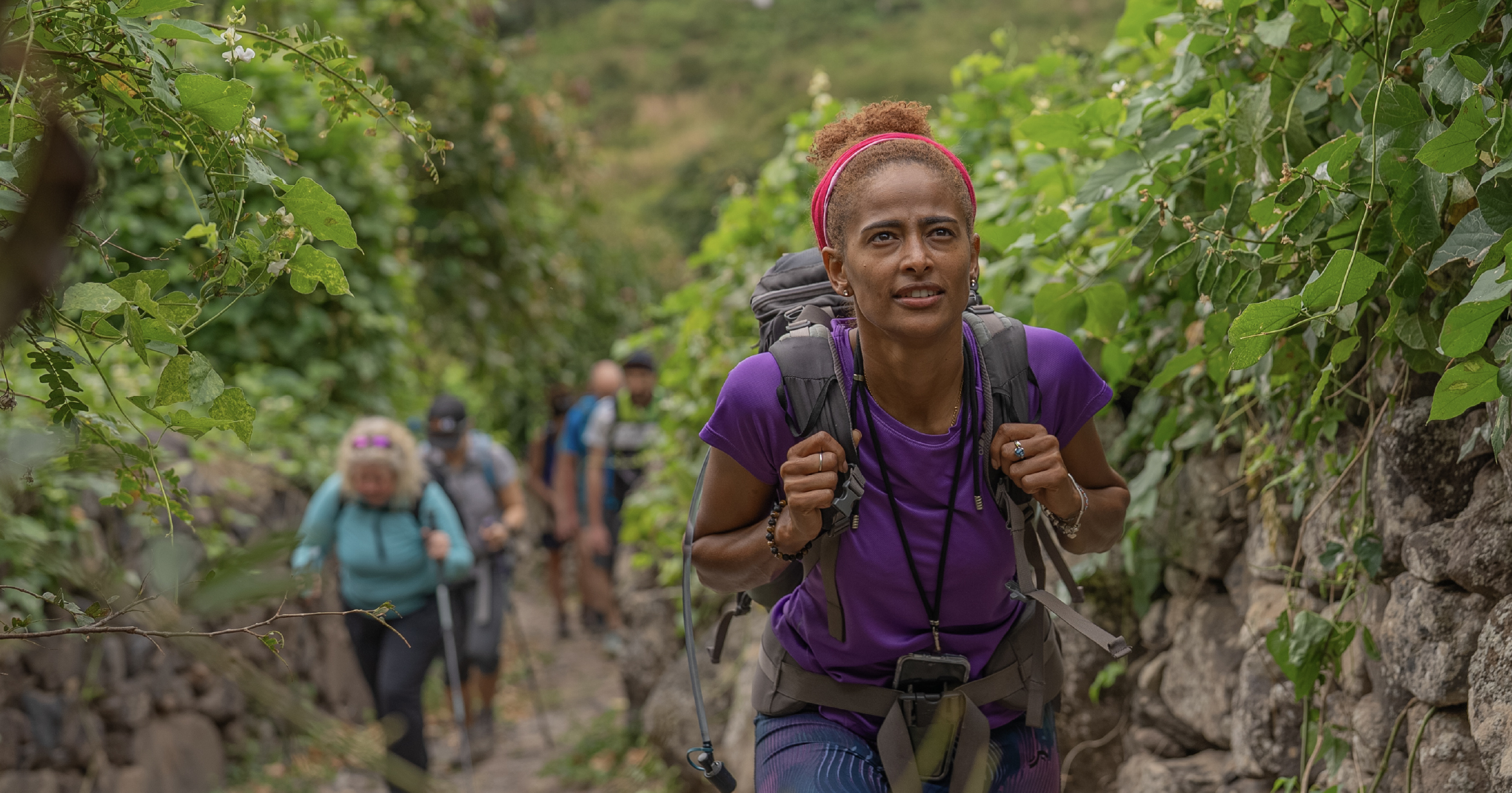
Photo courtesy of Anna Abelson
Want articles like this one sent directly to your inbox? Subscribe to our weekly eNews here.

© 2026 Groups Today - All Rights Reserved. Read our Terms and Conditions